
Filipino Mail Order Brides: Your Complete Guide to Meeting Filipina Women
Filipino women are known worldwide for their warmth, loyalty, and strong family values. If you're seeking a genuine, caring partner who prioritizes family and long-term commitment, understanding Filipino culture and dating practices is your first step toward a successful relationship.
SakuraDate
Premium Asian dating platform connecting Western men with verified women from Japan, China, Korea, and Southeast Asia. Advanced matching algorithms and video chat features ensure authentic connections.
NaomiDate
Trusted international dating service specializing in Asian brides seeking serious relationships. Features include instant messaging, gift delivery, and professional translation services for seamless communication.
MagnoliaDate
Reputable dating platform with thousands of active Asian women profiles. Offers comprehensive search filters, secure messaging, and verified member badges to help you find your ideal partner safely.
AsiaFlame
Modern dating site focusing on genuine relationships between Western men and Asian women. Includes live chat, video calls, and romance tours to help you meet your match in person.
ShantiDate
Established platform connecting men with traditional Asian brides from India, Nepal, Bangladesh, and Sri Lanka. Known for family-oriented matches, cultural guidance, and high success rates.
Why Filipino Women Are Sought After for Marriage
The Philippines has one of the highest rates of international marriages in Asia, with thousands of Filipina women marrying Western men each year. According to U.S. immigration data, over 15,000 fiancée visas were granted to Filipino citizens in 2023, making the Philippines the top source country for K-1 visas.
This popularity stems from several cultural factors that make Filipino women exceptional life partners. The Philippines is the only predominantly Catholic country in Asia, which shapes deeply rooted family values and commitment to marriage. Filipino culture emphasizes respect, hospitality (known as "Filipino hospitality" or pakikisama), and the importance of maintaining harmony in relationships.
English proficiency is another significant advantage when dating Filipino women. The Philippines has the third-largest English-speaking population globally, with English as an official language. This eliminates the major communication barriers that often challenge other international relationships, allowing couples to build emotional connections more naturally from the start.
Filipina women typically balance modern education and career aspirations with traditional relationship values. Many hold college degrees and work professional jobs, yet they maintain respect for family structures and gender roles that emphasize partnership rather than competition. This blend of independence and traditional femininity appeals to Western men seeking partners who are both capable and nurturing.
Understanding Filipino Culture and Family Values
The Central Role of Family (Pamilya)
Family is the cornerstone of Filipino society. The concept of pamilya extends beyond the nuclear family to include aunts, uncles, cousins, godparents (ninong and ninang), and even close family friends. When you marry a Filipina woman, you're not just marrying an individual-you're becoming part of an extended family network that provides both support and expectations.
Filipino families are typically close-knit, with regular gatherings for birthdays, holidays, and religious celebrations. Adult children often live with parents until marriage, and elderly parents commonly live with their adult children rather than in separate housing. This multigenerational living arrangement reflects the Filipino value of utang na loob (debt of gratitude), where children feel a lifelong obligation to care for parents who raised them.
Religious Influence on Relationships
Approximately 80% of Filipinos are Catholic, making the Philippines the world's third-largest Catholic nation. This religious foundation profoundly influences dating and marriage expectations. Divorce is illegal in the Philippines (only annulment is possible, and it's expensive and complicated), which means Filipino women are socialized to view marriage as a permanent, sacred commitment.
Many Filipina women expect church weddings and place importance on religious compatibility. However, most are accepting of partners from different Christian denominations. Non-Christian Western men should be prepared for conversations about faith and may need to demonstrate respect for their partner's religious practices, even if they don't fully participate.
Respect and Social Harmony
Filipino culture emphasizes pakikisama (getting along with others) and hiya (shame or avoiding embarrassment). Filipina women are typically indirect in communication, preferring to avoid confrontation and preserve social harmony. They may say "yes" to avoid disappointing you, even when they mean "maybe" or need time to consider.
Public displays of disagreement are considered shameful, so your Filipino partner may wait until you're alone to express concerns. Understanding this communication style prevents misunderstandings. Western men accustomed to direct communication should learn to read subtle cues and create safe private spaces for honest conversations.
Gender Roles and Expectations
While Filipino society has made significant strides in gender equality (women hold prominent positions in business and government), traditional gender roles remain influential in family life. Many Filipina women expect their husbands to be primary providers and decision-makers, while they take pride in managing the household and raising children.
However, this doesn't mean Filipino women are submissive. They often control household finances, make important family decisions, and exercise significant influence through indirect means. The Filipino concept of the woman as ilaw ng tahanan (light of the home) reflects her central role in family welfare and moral guidance.
Modern, educated Filipina women increasingly expect partnerships where household and childcare responsibilities are shared, especially if both partners work. Discussing expectations about gender roles, career plans, and household management early in your relationship prevents future conflicts.
What Filipino Women Look for in Foreign Partners
Financial Stability and Provider Mentality
Financial security consistently ranks as a top priority for Filipino women considering foreign partners. This isn't about gold-digging-it reflects practical concerns rooted in the Philippines' economic realities. With a per capita GDP of approximately $3,500 (compared to over $70,000 in the United States), many Filipino families struggle with poverty, and women seek partners who can provide stable, comfortable lives.
Filipino women expect their partners to support not just the immediate family but also to help their families back home. Sending remittances to parents and siblings is culturally expected, and Western men should anticipate these ongoing financial obligations. Discussing specific amounts and boundaries around family financial support before marriage is crucial to avoid resentment.
That said, Filipina women value financial responsibility over wealth. They appreciate men who budget wisely, avoid excessive debt, and plan for the future. Showing you have steady employment, savings, and a plan for your family's future matters more than flashy displays of wealth.
Respect and Kindness
Filipino women place enormous value on respect, both in how you treat them and how you treat others, especially their family. Demonstrating respect means listening attentively, valuing their opinions, showing courtesy to elders (using titles like "Tito" for uncles and "Tita" for aunts), and avoiding behavior that would cause hiya (shame).
Kindness and gentleness are highly attractive qualities. Filipina women appreciate men who are patient, avoid angry outbursts, and resolve conflicts calmly. They typically have little tolerance for aggression, excessive drinking, or any form of abuse. The cultural emphasis on harmony means they seek partners who contribute to peaceful home environments.
Commitment and Loyalty
Because divorce is illegal in the Philippines and marriage is viewed as permanent, Filipino women take relationship commitment seriously. They're typically not interested in casual dating or situationships-they're looking for husbands. This means they'll evaluate your seriousness and long-term intentions early in the relationship.
Filipino women value loyalty and expect complete fidelity. The concept of ligawan (courtship) involves the man proving his serious intentions over time through consistent attention, meeting family, and demonstrating he's ready for permanent commitment. Be prepared to clearly communicate your marriage intentions and timeline relatively early.
Cultural Appreciation and Willingness to Adapt
Filipino women appreciate foreign partners who show genuine interest in Filipino culture, traditions, and language. Learning basic Tagalog phrases, trying Filipino food (even if it's outside your comfort zone), and participating in cultural celebrations demonstrate respect and willingness to integrate into her world.
They're not expecting you to become Filipino, but they do hope you'll embrace aspects of their culture and allow those traditions to be part of your shared life. This includes celebrating Filipino holidays like Christmas (Filipinos have the world's longest Christmas season, starting in September) and maintaining connections with the Filipino community if you relocate together.
Filipina women also value adaptability and patience. International relationships involve significant life changes-relocating countries, learning new systems, being separated from family. They seek partners who are understanding during adjustment periods and willing to work through challenges together.
Age and Physical Attraction
Filipino culture is generally more accepting of significant age gaps than Western cultures. It's common to see relationships where the man is 10-20 years older. This acceptance stems partly from the provider expectation (older men are typically more established) and partly from cultural norms where maturity and stability are valued over youth.
While physical attraction matters, Filipina women typically prioritize personality, character, and stability over conventional Western standards of male attractiveness. Being fit and well-groomed matters, but you don't need to be exceptionally handsome or athletic. Confidence, good hygiene, and dressing appropriately for your age are sufficient.
Meet Filipino Women Ready for Serious Relationships
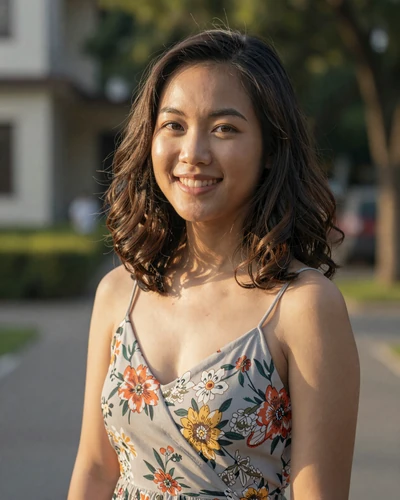
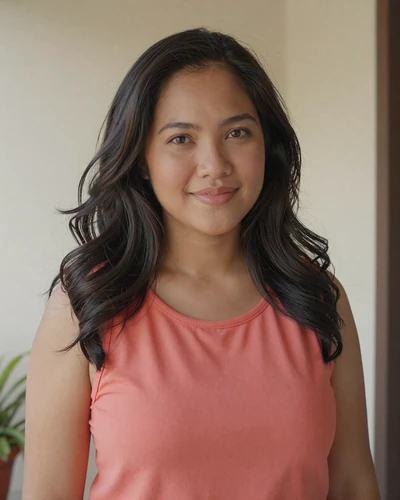
Connect with genuine Filipina singles seeking committed partners. These verified profiles represent real women from across the Philippines interested in international relationships.


Step-by-Step Guide to Meeting and Dating Filipino Women
Step 1: Choose a Reputable Dating Platform
Your journey begins with selecting a legitimate international dating site that specializes in Filipino women. Avoid general dating apps like Tinder, which are filled with local Filipino men and don't cater to international matching. Instead, focus on platforms specifically designed for connecting Western men with Asian women, particularly those with large Filipino user bases.
Key features to look for include identity verification (to minimize scammers), translation services (though less critical with Filipino women who speak English), video chat capabilities, and gift delivery services. Read reviews from other Western men, check the site's longevity (established sites are more reliable), and verify they comply with international dating regulations like IMBRA in the United States.
Step 2: Create an Authentic, Appealing Profile
Your profile is your first impression. Use recent, clear photos that accurately represent you-no group photos where it's unclear which person you are, no photos from 10 years ago, and no gym selfies or shirtless bathroom photos. Filipino women appreciate modesty and authenticity.
Include at least 4-5 photos showing different aspects of your life: a clear face photo (smiling), a full-body photo (so she knows your build), photos of your hobbies or activities, and perhaps one with family or friends (to show you have social connections). Photos with children (if you have kids) are important-being upfront about having children matters in serious relationship contexts.
Write a genuine profile description that clearly states your intentions. Mention you're seeking a serious relationship leading to marriage. Briefly describe your career, interests, and what you value in a partner. Filipino women appreciate men who mention family values, faith (if applicable), and long-term goals. Avoid generic statements like "I like to have fun"-be specific.
Step 3: Initiate Contact Respectfully
When reaching out to Filipino women, personalize your messages. Reference something specific from their profile-a hobby, their city, their career. Avoid copy-paste generic greetings like "Hey beautiful, how are you?" which obviously go to dozens of women.
Keep initial messages polite, friendly, and focused on getting to know her as a person. Ask open-ended questions about her life, family, and interests. Filipino women appreciate men who show genuine curiosity rather than jumping immediately to flirtation or compliments about appearance.
Be patient with response times. Filipino women may take time to respond thoughtfully, especially if they're evaluating your seriousness. Don't send multiple follow-up messages if she doesn't respond immediately-it appears desperate or pushy.
Step 4: Build Connection Through Consistent Communication
Once you establish initial contact, consistency is crucial. Filipino women value reliability and interpret inconsistent communication as lack of serious interest. Set a regular communication schedule-daily messages, video chats 2-3 times per week-that demonstrates you're making her a priority.
Progress from text messages to voice calls to video chats relatively quickly (within the first 2-3 weeks). Video chats serve two purposes: they verify she's real and matches her photos (scam prevention), and they allow you to assess chemistry and compatibility in real-time conversation.
During this phase, have important conversations about your expectations, values, and future plans. Discuss children (do you want them? how many?), career plans (will she work after marriage?), where you'll live, involvement with her family in the Philippines, religion, and financial expectations including family support. These conversations prevent mismatched expectations later.
Step 5: Meet Her Family (Virtually First)
Family approval is essential in Filipino culture. Your Filipino girlfriend will likely want to introduce you to her family relatively early in the relationship via video chat. This is a positive sign indicating she's serious about you and wants family input on the relationship.
Approach family meetings respectfully. Address parents as "Tito" and "Tita" (or "Sir" and "Ma'am" if preferred). Be prepared to answer questions about your job, intentions, and ability to provide for their daughter. Filipino families are protective and will assess whether you're a suitable match.
Show interest in learning about the family-ask about their traditions, professions, and daily life. If language is a barrier with older family members who speak limited English, be patient and ask your girlfriend to translate. Demonstrating respect for her family significantly increases your chances of relationship success.
Step 6: Plan Your First In-Person Meeting
After 2-4 months of consistent online communication and video chats (sometimes longer depending on circumstances), it's time to meet in person. The first meeting typically happens in the Philippines, where she's comfortable, surrounded by family support, and can show you her world.
Plan to spend at least 10-14 days in the Philippines for your first visit. This gives you adequate time to spend with her, meet her family formally, experience Filipino culture together, and assess your in-person chemistry. Shorter trips feel rushed and don't allow enough time to make informed decisions about your future together.
Book accommodations near her city but respect cultural sensibilities-don't expect to stay together in the same room before marriage. Many Filipino families expect traditional courtship where the couple doesn't cohabitate or have intimate relations before the wedding. While some modern, urban Filipino women are more flexible, assume conservative expectations unless she explicitly indicates otherwise.
Step 7: Continue Courtship and Formalize Intentions
If your first in-person meeting goes well, continue regular communication and plan subsequent visits. The traditional Filipino courtship (ligawan) involves the man formally asking the woman's parents for permission to court their daughter and eventually for her hand in marriage.
This process can take 6-12 months of consistent dating before engagement. During this time, you're proving your commitment, character, and ability to be a good husband. Filipino families will observe how you treat their daughter, your financial stability, and your integration into family events.
When you're ready to propose, traditional Filipino culture expects you to formally ask her father for permission first. This shows respect for family hierarchy and Filipino customs. Many men combine this with a romantic proposal to the woman afterward.
Step 8: Navigate Immigration and Marriage
Once engaged, you'll need to navigate the immigration process to bring your Filipino fiancée to your country (assuming you're not relocating to the Philippines). In the United States, this involves the K-1 fiancée visa process, which takes 6-12 months on average and costs approximately $2,000-$3,000 in government fees plus any attorney costs.
The K-1 visa requires proving you've met in person within the past two years, demonstrating your relationship is genuine (through photos, communication logs, etc.), and showing you meet income requirements to sponsor her. You must marry within 90 days of her arrival in the U.S., after which she can apply for adjustment of status to become a permanent resident.
Alternative options include marrying in the Philippines and applying for a spouse visa (CR-1/IR-1), which allows her to arrive as a permanent resident but takes slightly longer. Consult with an immigration attorney to determine the best path for your situation.
Safety Tips and Scam-Avoidance Strategies
Common Filipino Dating Scams to Watch For
While the majority of Filipino women on dating sites are genuine, scams exist. The most common scams target Western men's desire to help and their emotional investment in budding relationships. According to the FBI's Internet Crime Complaint Center, romance scams cost victims over $547 million in 2021, with international dating sites being prime hunting grounds.
Red Flag: Emergency Money Requests
The most prevalent scam involves "emergencies" requiring immediate financial help. Common stories include sick family members needing surgery, financial crises preventing her from paying rent, problems at work requiring money to fix, or needing funds to renew her passport/get a visa. These requests typically escalate-first small amounts to test your willingness, then increasingly large sums.
Protection: Never send money to someone you haven't met in person, regardless of the reason. If you've met and are in a committed relationship, offer to pay directly to the hospital/landlord/agency rather than transferring money to her account. Verify emergency claims independently.
Red Flag: Too Perfect, Too Fast
Scammers often create idealized personas and rush emotional intimacy. She declares love within days or weeks, her profile photos look professional or model-quality, she has no flaws or problems, and she's eager to talk about marriage immediately. This love-bombing creates emotional investment quickly before you realize something's off.
Protection: Genuine relationships develop gradually. Be suspicious of women who seem perfect, declare intense feelings very quickly, or push for rapid relationship progression. Reverse image search her photos to verify they're not stolen from elsewhere online.
Red Flag: Avoiding Video Calls
Scammers often claim their camera is broken, internet is too slow for video, or they're too shy. They make excuses whenever you suggest video chatting. This is frequently because they're not who they claim to be-they might be using stolen photos, might be a man posing as a woman, or might be in a scam operation facility.
Protection: Insist on video verification early in communication, ideally within the first week. If she consistently refuses or makes excuses, walk away. Legitimate women understand the need for video verification in international dating.
Verify Authenticity Before Emotional Investment
Protect yourself by verifying the woman's identity and legitimacy before becoming emotionally or financially invested. Conduct video chats where you ask her to show her surroundings, verify she's in the city she claims, and assess whether her lifestyle matches her stated profession. Use Google reverse image search on her profile photos to confirm they haven't been stolen from someone else's social media.
Ask specific questions about her life, family, and city that would be difficult for a scammer to answer convincingly. Someone who genuinely lives in Manila should be able to describe local neighborhoods, traffic patterns, popular malls, and current events. Inconsistencies in her story (changing details about her family, job, or background) are warning signs.
Check if the dating platform offers identity verification services. Legitimate sites often provide verification badges for members who've submitted government IDs. While not foolproof, verification adds a layer of authenticity screening.
Protect Your Personal and Financial Information
Never share sensitive personal information like your full address, passport details, banking information, or social security number with someone you've only met online. Scammers can use this information for identity theft or targeted scams. Keep conversations on the dating platform initially rather than immediately moving to personal email or messaging apps where you have less protection.
Use separate email addresses for online dating that don't reveal your full name or personal details. Be cautious about what's visible in your social media profiles-scammers may use public information to make their scams more convincing.
If you do send financial support in a legitimate relationship (like helping with family expenses after you're engaged), use trackable methods and keep records. Money transfer services like Western Union are favored by scammers because they're difficult to reverse. Bank transfers or services like Wise provide better documentation.
Trust Your Instincts
If something feels off, it probably is. Legitimate Filipino women seeking serious relationships are patient, consistent, and understanding of your need to verify their authenticity. Women who pressure you, become defensive when you ask reasonable questions, or create urgency around money are likely scammers.
Genuine relationships involve mutual effort. If you're doing all the work-initiating all conversations, making all plans, asking all questions while she provides vague answers-reconsider whether this is a real connection. Authentic Filipino women interested in you will actively participate in building the relationship.
Frequently Asked Questions About Filipino Mail Order Brides
Yes, meeting and marrying Filipino women through international dating sites is completely legal. The term "mail order bride" is outdated and doesn't reflect the modern reality-these are consensual relationships between adults who meet online. However, the process is regulated. In the United States, the International Marriage Broker Regulation Act (IMBRA) requires background checks and disclosure of criminal history to protect foreign fiancées. Both partners must meet in person before applying for a fiancée visa, and the Filipino woman must consent to the relationship freely without coercion.
The Philippines also regulates international matchmaking through the Anti-Mail Order Bride Law (Republic Act 6955), which prohibits businesses from matching Filipino women with foreign men for profit. However, this law doesn't prevent individuals from meeting through general dating platforms or forming relationships independently.
The total cost of meeting, courting, and marrying a Filipino woman typically ranges from $15,000 to $30,000, broken down as follows:
- Dating site membership: $30-$100 per month for 6-12 months ($200-$1,200)
- Communication: Video chats, gifts, flowers delivery ($500-$1,500)
- Travel to Philippines: 2-3 trips including flights, hotels, meals, activities ($5,000-$10,000 total)
- Visa and immigration fees: K-1 fiancée visa application, medical exams, travel to embassy ($2,000-$3,000)
- Wedding: Ceremony and celebration costs ($3,000-$10,000 depending on scale)
- Adjustment of status: Green card application after marriage ($1,500-$2,500)
These figures don't include ongoing family support many Filipino wives expect to provide to their families in the Philippines, which typically ranges from $100-$500 per month depending on family needs and your financial situation.
The most effective dating platforms for meeting Filipino women include:
- SakuraDate: Specializes in Asian dating with large Filipino user base, strong verification system, and gift delivery services.
- AsianDating (by Cupid Media): Established platform with over 4.5 million members, primarily focused on Filipino and Thai women, offers both free and premium memberships.
- FilipinoCupid: Dedicated exclusively to Filipino dating, operated by Cupid Media, very popular in the Philippines with over 5.5 million members.
- PinaLove: Free-to-use platform popular among younger Filipina women, good for those on a budget but requires careful scam screening.
Choose platforms with identity verification features, established reputations (5+ years in operation), clear terms of service, responsive customer support, and positive user reviews from Western men. Avoid sites with numerous fake-looking profiles, sites requiring large upfront payments before you can communicate, or platforms lacking proper security measures.
Yes, most Filipino women expect to send financial support to their families in the Philippines after marriage. This cultural practice reflects utang na loob (debt of gratitude) and is considered a moral obligation, not optional. Filipino adult children traditionally support aging parents, help siblings with education or expenses, and contribute to family emergencies.
The amount varies based on family needs and your financial capacity. Typical monthly support ranges from $100-$500, with additional contributions for emergencies, medical bills, or major family events like weddings and graduations. Some families expect more substantial support if they're in poverty or if you're perceived as wealthy.
Discuss specific expectations before marriage. Agree on reasonable amounts, establish boundaries (is support temporary or permanent? for parents only or extended family?), and ensure transparency about when and how much money is sent. Many successful cross-cultural marriages handle this by designating a specific amount in the monthly budget for family support, preventing conflicts and resentment.
Divorce is illegal in the Philippines (only annulment is possible), so traditional divorce statistics don't apply. However, for Filipino-Western marriages, research provides insight into success rates. According to studies on international marriages:
- Filipino-American marriages have divorce rates around 20% within the first 10 years, significantly lower than the U.S. overall rate of approximately 50%.
- The U.S. Citizenship and Immigration Services reports that approximately 80% of K-1 visas result in marriages that last at least 3 years.
- Long-term success rates (20+ years) appear higher for Filipino-Western marriages than typical American marriages, though comprehensive data is limited.
Higher success rates likely reflect several factors: Filipino women's strong commitment to marriage due to cultural and religious values, more deliberate partner selection (both parties invest significant time and resources), realistic expectations (less romanticized view of marriage), and complementary relationship values (traditional gender roles many Western men seek).
Immigration timeline depends on which visa route you take:
K-1 Fiancée Visa (U.S.): You apply while she's still in the Philippines, wait 6-12 months for approval, she travels to the U.S., and you must marry within 90 days. After marriage, she applies for adjustment of status to become a permanent resident, which takes another 10-13 months. She receives a work permit within 3-6 months of the adjustment application.
Spouse Visa (CR-1/IR-1, U.S.): You marry in the Philippines, then apply for a spouse visa. Processing takes 12-18 months, but she enters the U.S. as a permanent resident immediately, able to work right away. This route takes longer initially but provides immediate benefits.
Other countries have similar processes with varying timelines. Canada's spousal sponsorship takes 12-18 months, Australia's partner visa takes 18-24 months, and UK spouse visas take 2-3 months for decision but require meeting income thresholds.
During the waiting period, you'll maintain a long-distance relationship with visits to the Philippines. Plan for significant time apart-this is why building a strong foundation before marriage is crucial.
Filipino culture is generally accepting of larger age gaps than Western societies. Relationships where the man is 10-20 years older are common and socially acceptable. Some Filipino women are comfortable with even larger age gaps of 20-30 years, particularly in rural areas or lower-income families where financial stability is prioritized.
However, extremely large age gaps (30+ years) may face immigration scrutiny. U.S. immigration officers assess whether relationships are genuine or marriages of convenience for immigration benefits. Large age differences, especially combined with other factors (very short courtship, no common language, extreme wealth disparity), trigger additional vetting.
The "ideal" age gap depends on individual preferences. Many successful Filipino-Western marriages involve age differences of 8-15 years, where the man is established in his career while still active and healthy enough to raise a family. Women in their 20s-early 30s typically prefer partners in their 30s-40s.
Focus on compatibility, shared values, and life stage alignment rather than specific numbers. A 25-year-old Filipino woman and a 40-year-old Western man can have successful marriages if they want the same things (children, lifestyle, values), communicate well, and respect each other.
Language barriers are minimal with Filipino women compared to other Asian countries. The Philippines is the third-largest English-speaking nation globally, with English as an official language. Filipino children learn English from elementary school, and it's used in business, government, education, and media. Most educated Filipino women speak English fluently or near-fluently.
English proficiency varies by education level and region. Women from major cities (Manila, Cebu, Davao) and those with college education typically speak excellent English. Women from rural areas or with limited education may have more basic English skills but usually enough for everyday communication.
Even with strong English skills, some communication challenges exist. Filipino English has unique expressions and patterns influenced by Tagalog grammar and vocabulary. Indirect communication style means Filipino women may say things diplomatically rather than directly, requiring you to read between the lines. Cultural differences in humor, sarcasm, and idioms can cause misunderstandings initially.
These minor challenges are easily overcome with patience and effort. Many Western men learn basic Tagalog phrases, which Filipino women appreciate. Over time, couples develop their own communication rhythm and understanding.
Key Takeaways: Filipino Mail Order Brides
- Filipino women prioritize family and commitment: Family approval is essential, and Filipino culture views marriage as a permanent, sacred commitment due to Catholic values and the illegality of divorce in the Philippines.
- Financial stability matters significantly: Filipino women seek providers who can offer stable, comfortable lives and are typically expected to support her family in the Philippines with monthly remittances of $100-$500.
- Communication is easier than with other Asian brides: The Philippines has the third-largest English-speaking population globally, eliminating major language barriers that complicate other international relationships.
- Successful relationships require cultural understanding: Learn about Filipino values like utang na loob (debt of gratitude), pakikisama (harmony), and indirect communication styles to build strong cross-cultural connections.
- Scam awareness is critical: Verify identity through video chats early, never send money to someone you haven't met in person, and watch for red flags like emergency money requests or avoiding video calls.
- Meeting in person is essential and expected: Plan 10-14 day visits to the Philippines, meet her family formally, and respect cultural expectations around pre-marital intimacy and courtship duration (typically 6-12 months).
- Immigration takes time and money: Budget $15,000-$30,000 total for dating, travel, visa fees, and wedding costs, and expect 6-18 months for fiancée or spouse visa processing before she can join you permanently.
- Age gaps are culturally acceptable: Filipino society is comfortable with men being 10-20 years older, though immigration authorities may scrutinize extremely large age differences (30+ years) for relationship authenticity.
Summary
Filipino mail order brides represent one of the most accessible and successful paths to international marriage for Western men. The combination of strong English language skills, deeply rooted family values, Catholic commitment to marriage, and genuine interest in foreign partners makes Filipino women exceptional life companions.
Success in dating Filipino women requires understanding their culture, demonstrating financial stability and serious intentions, building trust through consistent communication, gaining family approval, and navigating the immigration process patiently. The courtship process typically spans 6-12 months from initial contact through engagement, with marriage following within 1-2 years depending on visa processing.
While scams exist in international dating, protecting yourself through early video verification, never sending money before meeting in person, and using reputable dating platforms significantly reduces risks. The overwhelming majority of Filipino women on legitimate dating sites are genuine individuals seeking committed relationships and better lives through international marriage.
Filipino-Western marriages show higher success rates than typical American marriages, with divorce rates around 20% compared to 50% nationally. This success stems from shared traditional values, deliberate partner selection, realistic expectations, and Filipino women's strong commitment to marriage permanence. For Western men seeking loving, loyal, family-oriented wives, Filipino women offer one of the most rewarding international dating opportunities available.